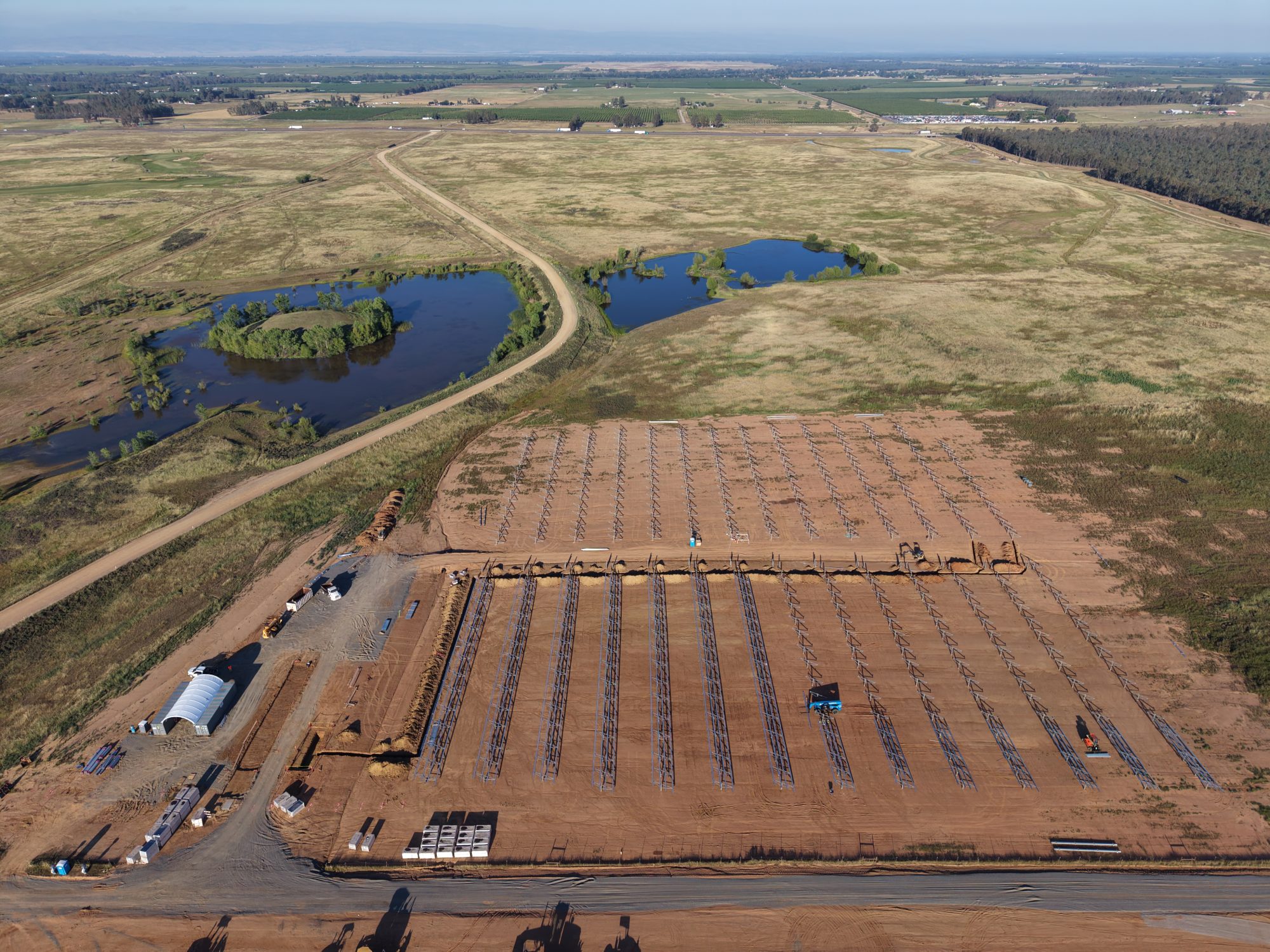
Microgrids for utilities that strengthen the grid— and stay under your control.
OATI’s offers utility microgrid solutions that deliver targeted or system-wide asset control and resilience, integrated with the DERMS and ADMS you already run.
For a utility, a microgrid isn’t a standalone island— it’s an extension of the grid you operate. Whether you’re hardening a storm-prone feeder, keeping a remote community lit, deferring a costly upgrade, or protecting critical load during a wildfire event, the microgrid has to serve your reliability goals and hand control back to your operators when the grid returns. That’s the difference between a microgrid bolted onto your system and one built into it.
What matters for utility microgrids
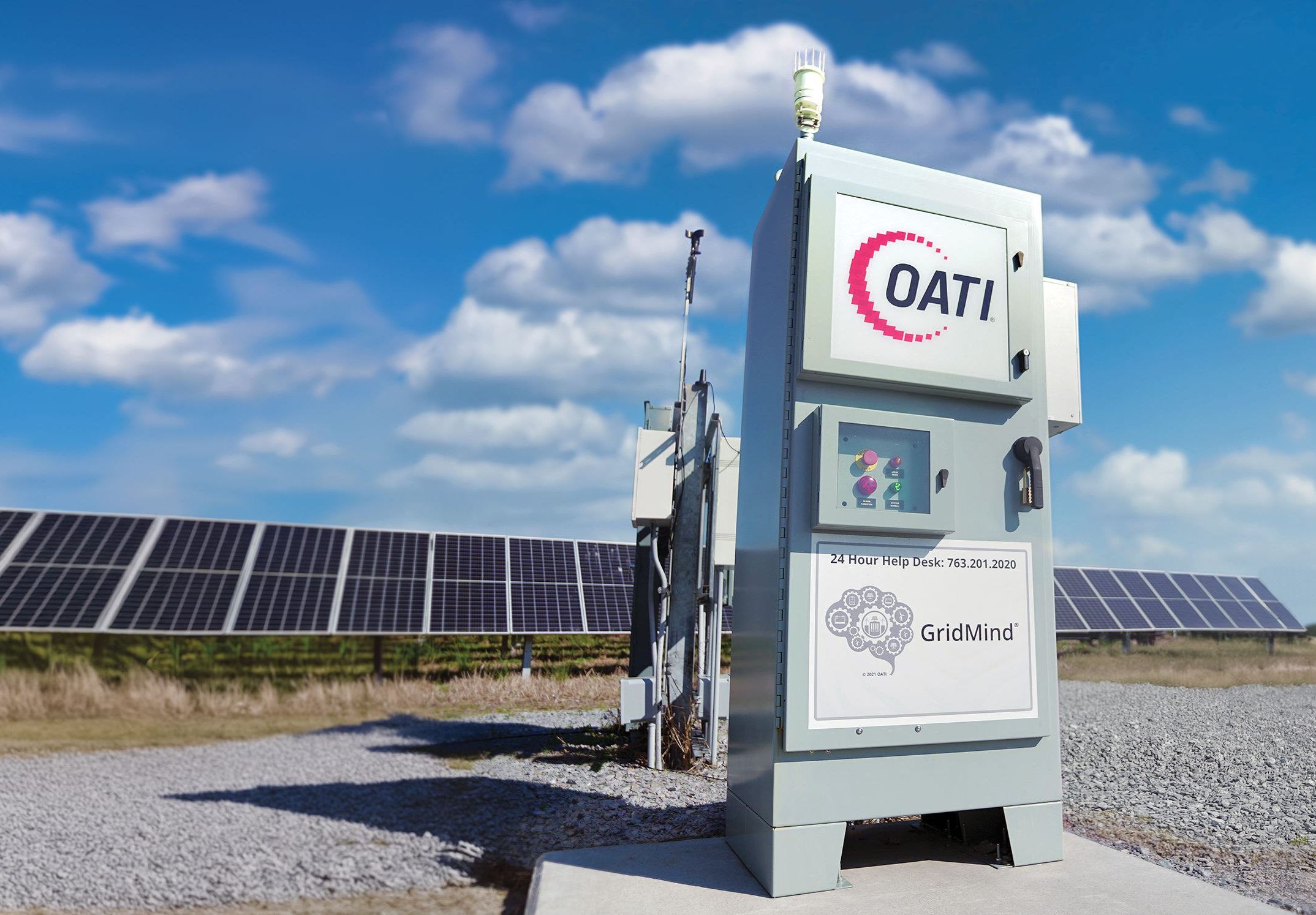
Targeted resilience where you need it. Automatic islanding keeps critical feeders, communities, and facilities powered during outages— and GridMind® returns control to utility service once grid power is restored.
A non-wires alternative. Microgrids can defer or avoid expensive distribution and transmission upgrades while still meeting reliability and load-growth needs.
Built into your operations, not beside them. GridMind® serves as an extended end-point to your DERMS and coordinates with ADMS, so microgrids are managed from the same control room as the rest of your grid— not a separate silo.
Proven with cooperatives and utilities. NCEMC uses GridMind® and its existing DERMS to build a reliable microgrid with automated islanding, demand response, and solar+BESS integration.
How we support utility microgrid projects
Brunswick Electric and NCEMC wanted to design a sustainable, islandable microgrid community on the hurricane-prone Atlantic coast.
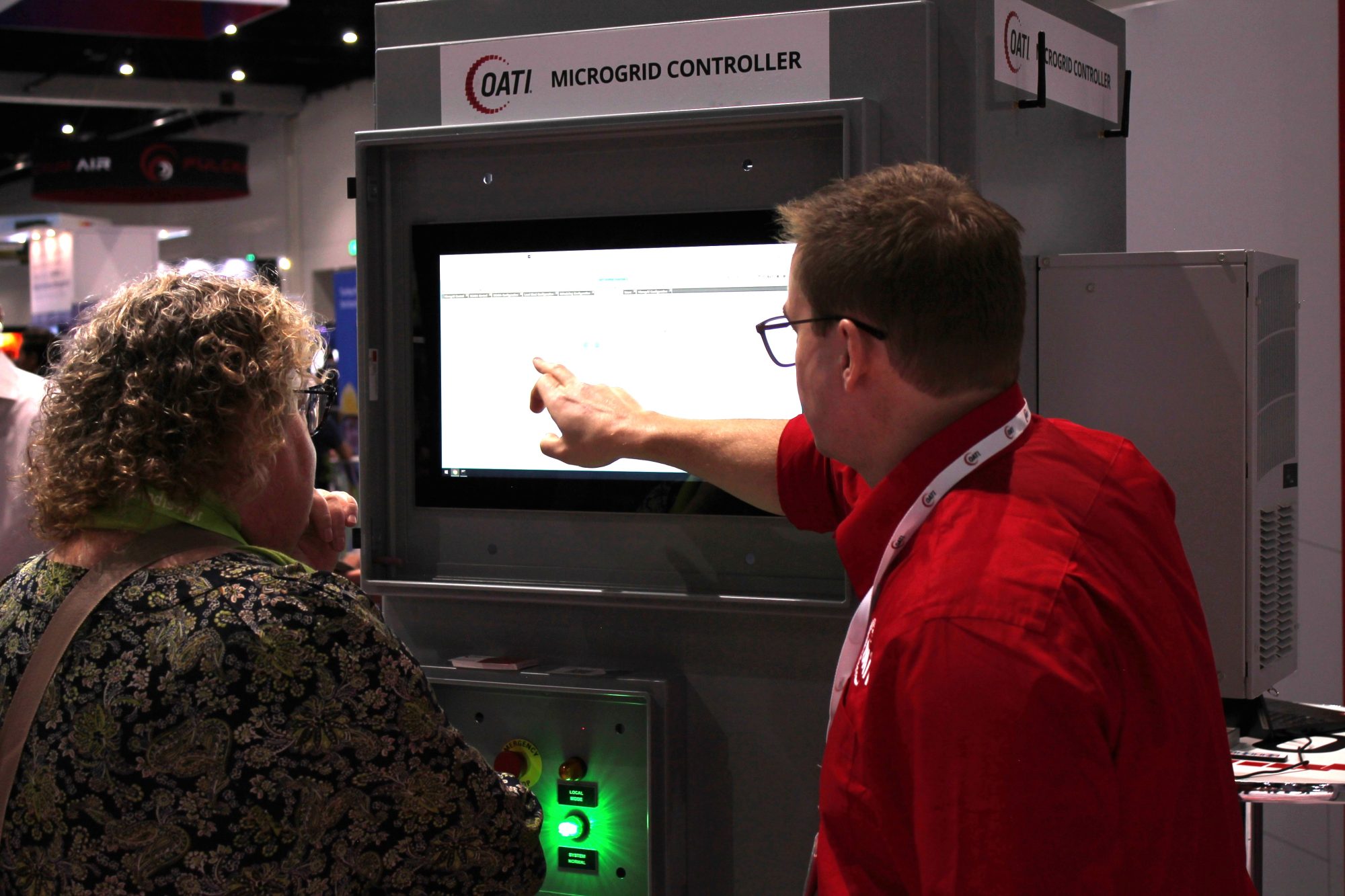
Using OATI GridMind® and the existing DERMS, NCEMC created a reliable microgrid with automated islanding, demand response, and solar+BESS integration.
Resources to keep your
microgrid project on track.
Short-term load growth strategies
Our short-term load growth whitepaper looks at digital strategies for maximizing output from existing distributed energy resources as demand from data center development, industrial manufacturing, and broader electrification rises sharply.
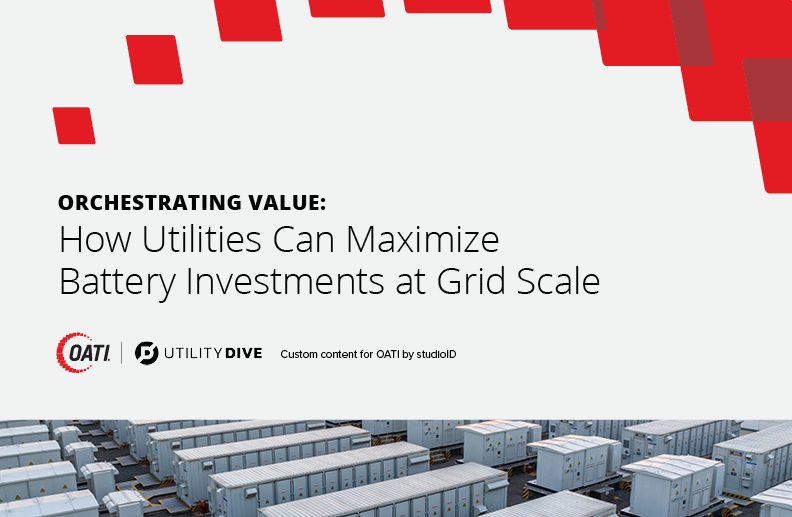
Battery storage investment playbook
This playbook outlines how modern grid orchestration can unlock the full potential of utility-scale batteries and support a more resilient, flexible and economically optimized grid. Utility leaders share real-world examples and proven strategies for delivering enhanced grid reliability, operational savings and revenue opportunities in utility-scale battery adoption.
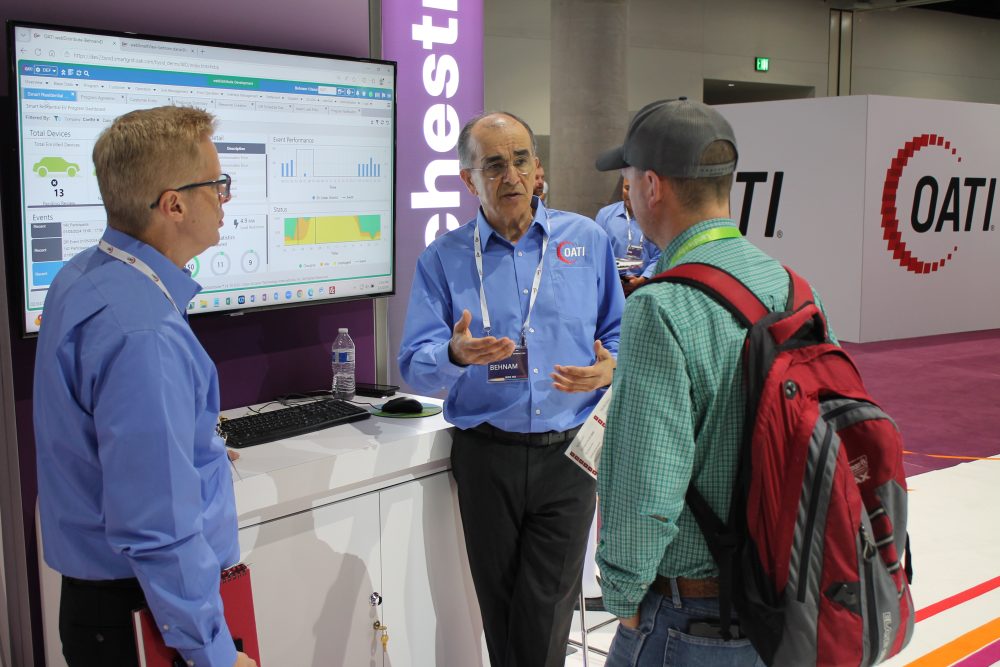
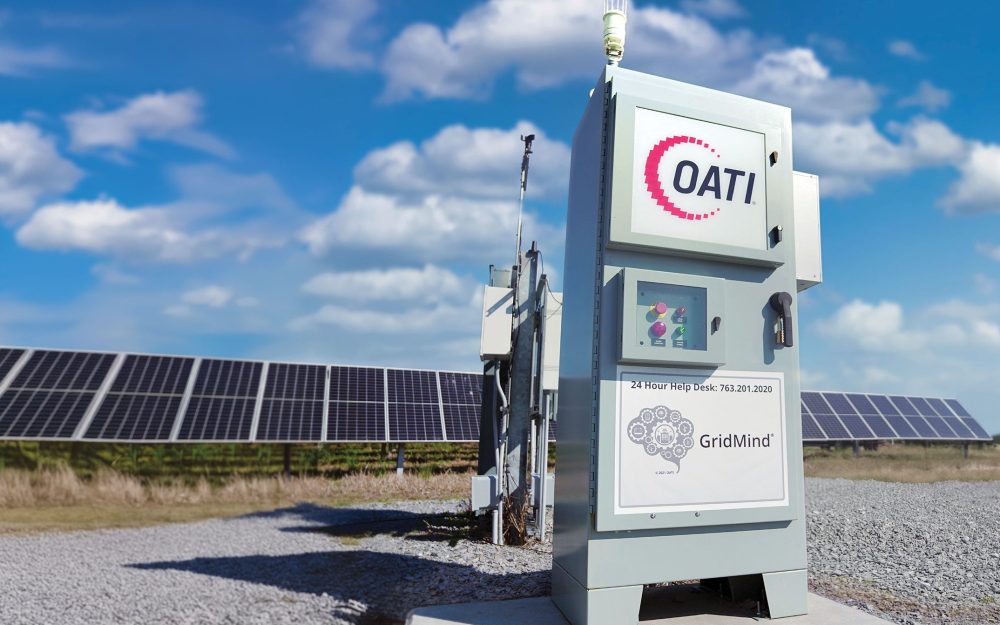
OATI GridMind® Datasheet
OATI GridMind® addresses the needs of many commercial and industrial businesses who are looking for more stable energy prices by self-generating power with a microgrid.
Case study: OATI real-time DERMS at NCEMC
North Carolina Electric Membership Corporation (NCEMC), a G&T supporting 26 electric cooperatives, needed a distributed energy resource management system (DERMS) to manage and orchestrate demand response programs for each of its member cooperatives.
Keep exploring
Microgrids for EPCs and developers
Microgrids for data centers
Microgrids for schools & government

Microgrids for tribes
Microgrids for EPCs and developers
Microgrids for data centers

Microgrids for schools & government